

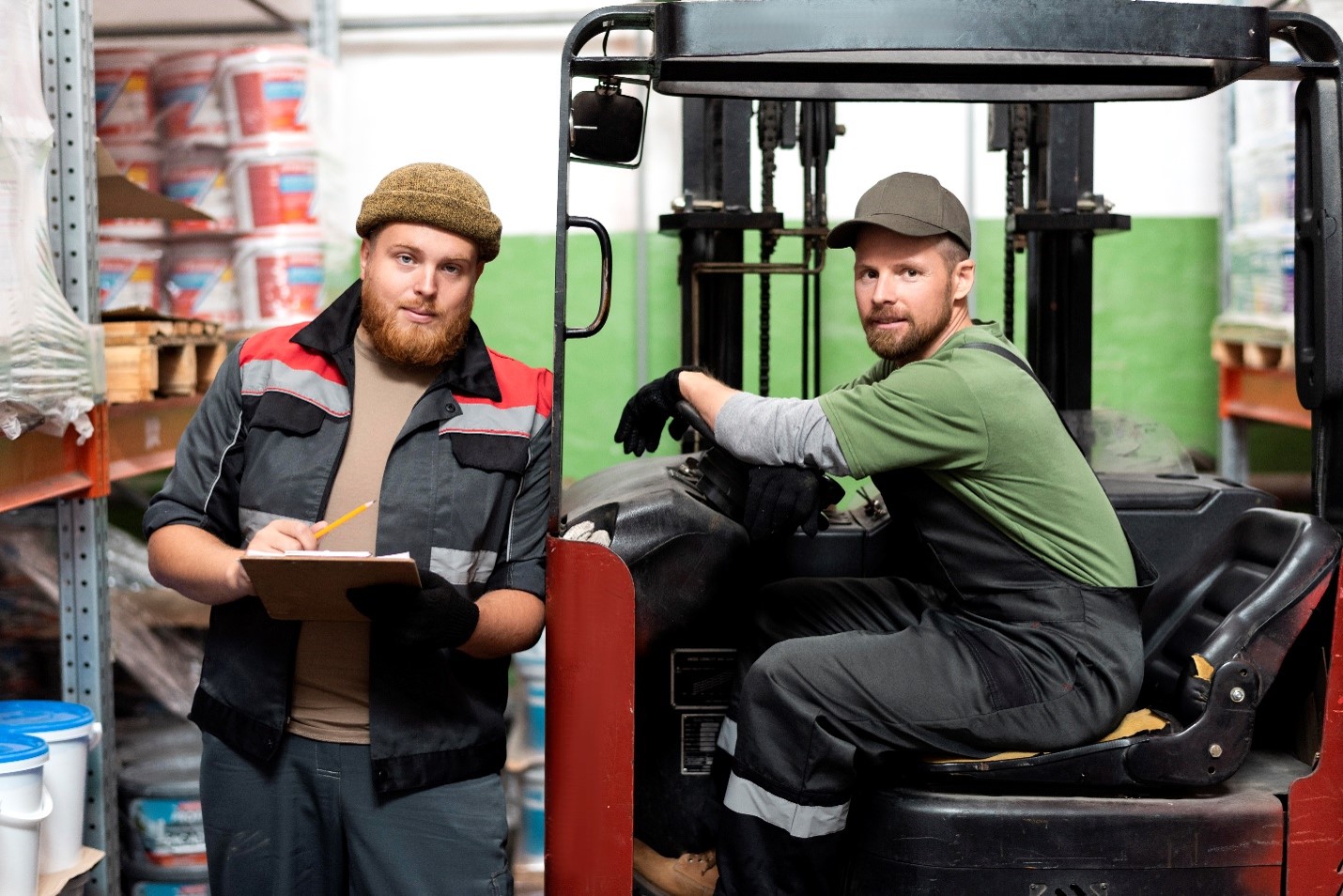
Every week, business owners and site managers ask us the same thing: “What will this rental cost?” It’s the right question to ask first. A forklift that fits your budget keeps work on schedule. One that doesn’t can quietly drain your project funds.
The truth is simple. There is no single price tag. Your forklift rental cost depends on a handful of clear factors, and once you understand them, you can read any quote with confidence.
This guide walks through each factor, the extra charges worth checking, and the questions that help you get fair value.
How Forklift Rental Pricing Usually Works
Most rental companies price equipment in three tiers: daily, weekly, and monthly.
The pattern is consistent across the industry. The longer you rent, the lower your average cost per day. A provider spends the same effort on delivery, inspection, and paperwork whether you keep the machine for two days or two months. Longer rentals spread those fixed costs out.
Here’s what that means for you:
- Daily rates suit one-off jobs, like unloading a single shipment
- Weekly rates fit short projects or busy inventory periods
- Monthly rates work best for ongoing operations or long construction phases
If your timeline is uncertain, ask how the provider handles a switch from weekly to monthly. Some adjust the rate once you cross a certain point.
Key Factors That Shape Your Quote
1. Type of Forklift
The machine itself has the biggest impact on price. Different jobs call for very different equipment.
- Electric forklifts: Quiet, emission-free, and built for indoor warehouses
- Propane forklifts: Versatile for both indoor and outdoor use
- Diesel forklifts: Powerful and suited to heavy outdoor work
- Rough-terrain forklifts: Designed for gravel, dirt, and uneven job sites
- Telehandlers: Extended reach for lifting materials to height
Specialized machines generally cost more to rent. They also cost more to maintain and transport.
2. Load Capacity and Lift Height
Every forklift has a rated capacity. Larger capacity means a bigger, heavier, and more expensive machine.
Lift height matters as well. High racking or upper-floor deliveries need taller masts. Before requesting a quote, know your heaviest load and your highest lift point. That single step prevents renting too many machines or, worse, too few.
3. Rental Duration
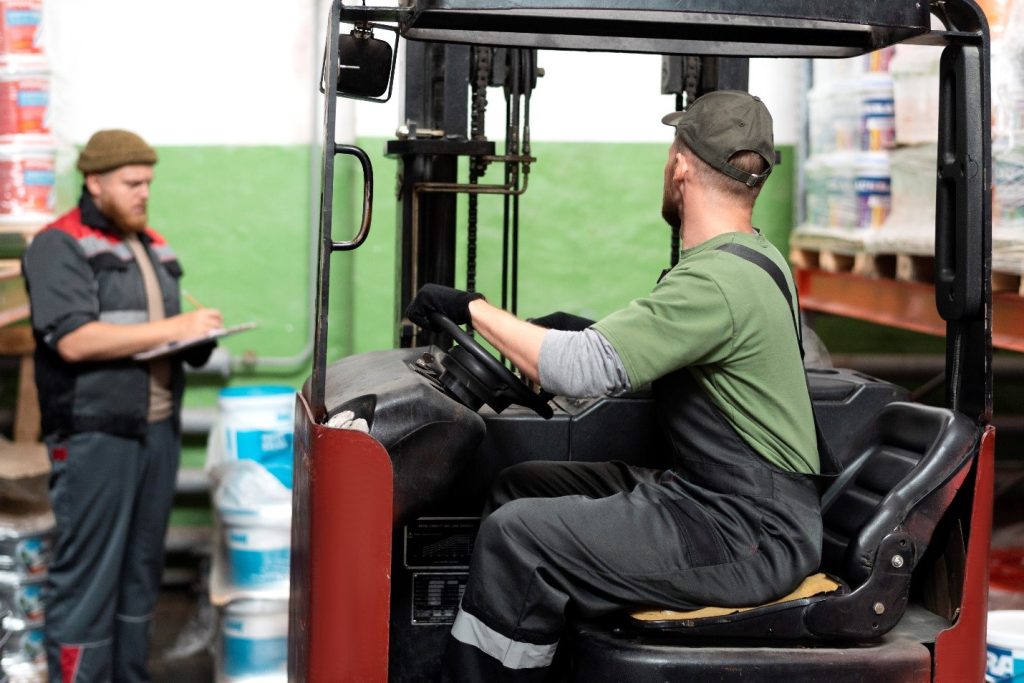
Time affects price more than many people expect. A short-term forklift rental carries the highest per-day rate because the provider’s setup costs stay the same.
Plan your project timeline before you call. A clear start and end date helps the provider offer the most suitable rate.
4. Power Source and Refueling Policy
Each power type comes with its own refill needs. Electric units need charging access. Propane units need tank swaps. Diesel units need refueling.
Policies vary between companies. Some deliver a full tank and expect a full return. Others bill for refills afterward. Ask about this upfront.
5. Delivery and Pickup
Forklifts don’t drive themselves across town. Transport requires a trailer, a trained driver, and road time.
Distance from the rental yard, site access, and traffic conditions can all affect transport charges. When requesting quotes for forklift rental Miami projects, confirm whether the price includes both delivery and pickup or only one.
6. Attachments
Standard forks handle most palletized loads. Unusual materials need the right tools, such as
- Side shifters for precise positioning
- Fork extensions for long or wide loads
- Clamps for drums, rolls, or boxed goods
- Jib attachments for lifting suspended loads
Attachments are usually priced separately from the forklift.
7. Insurance and Damage Protection
Most providers require proof of liability coverage. Many also offer a damage waiver for an added fee.
Check your existing business insurance first. Some policies already cover rented equipment, which may save you from paying twice.
8. Timing and Local Demand
Equipment availability changes throughout the year. Large construction projects, port and logistics activity, and storm preparation periods can all increase demand in South Florida.
When availability tightens, booking ahead gives you more choice and a better chance of getting the exact model you need.
Charges Worth Checking Before You Sign
A base rate tells only part of the story. Read the agreement for these common extras:
- Usage hour limits: Many rentals include a set number of operating hours. Going over may add a charge.
- Cleaning fees: Heavy mud, paint, or debris can lead to a cleaning charge at return.
- Late return fees: Extra days may be billed at a higher rate.
- Fuel or charging fees: An empty tank or battery often costs more to refill through the provider.
- Damage charges: Anything beyond normal wear is usually billed separately.
An itemized quote makes these costs visible before work begins.
What to Have Ready When You Request a Quote
Accurate details lead to an accurate price. Before you reach out, prepare:
- The type and weight of materials you’ll be lifting
- Maximum lift height required
- Indoor, outdoor, or mixed use
- Ground conditions at your site
- Project start date and expected duration
- Site address and any access limits
- Whether your operators hold current certification
With this information, a provider can recommend the right machine instead of the most expensive one.
Choosing a Reliable Rental Partner
Price matters, but reliability matters more. A forklift that fails mid-shift costs you labor time, missed deadlines, and frustrated crews.
Dependable forklift rental services Miami businesses can rely on and should provide:
- Well-maintained, regularly inspected equipment
- Quick replacement or repair support during your rental
- Clear, itemized pricing
- Honest guidance on the right machine for the task
- Flexible terms when project timelines shift
Comparing two quotes side by side is only fair when both include the same items. Always compare full costs, not just the headline rate.
Conclusion: Make Every Rental Dollar Work Harder
Understanding your quote puts you in control of your budget. The machine type, capacity, duration, transport, attachments, and coverage each shape the final number. Once you know how they connect, choosing the right offer becomes straightforward.
At LifterCorp, we keep pricing transparent and equipment ready for real work. Our team helps you match the right forklift to your job, your timeline, and your budget. Request your detailed quote through our website today and move your next project forward with confidence.
Frequently Asked Questions
1. Is renting a forklift better than buying one?
Renting usually makes more sense for short, seasonal, or occasional projects. It removes the cost of maintenance, storage, and repairs. Buying becomes practical when you need a forklift every day over many years.
2. Do forklift operators need certification?
Yes. OSHA requires employers to ensure forklift operators are trained and evaluated before operating the equipment at work. Most rental providers will ask you to confirm this.
3. How early should I book a forklift?
Booking a few days ahead works well for common models. For specialty equipment or busy periods, booking earlier improves your chances of getting the exact machine you need.
4. Can I extend my rental if the project runs longer?
Most providers allow extensions when the unit isn’t reserved for another customer. Inform your rental company as early as possible. Early notice may also qualify you for a better long-term rate.
Leave a Reply