

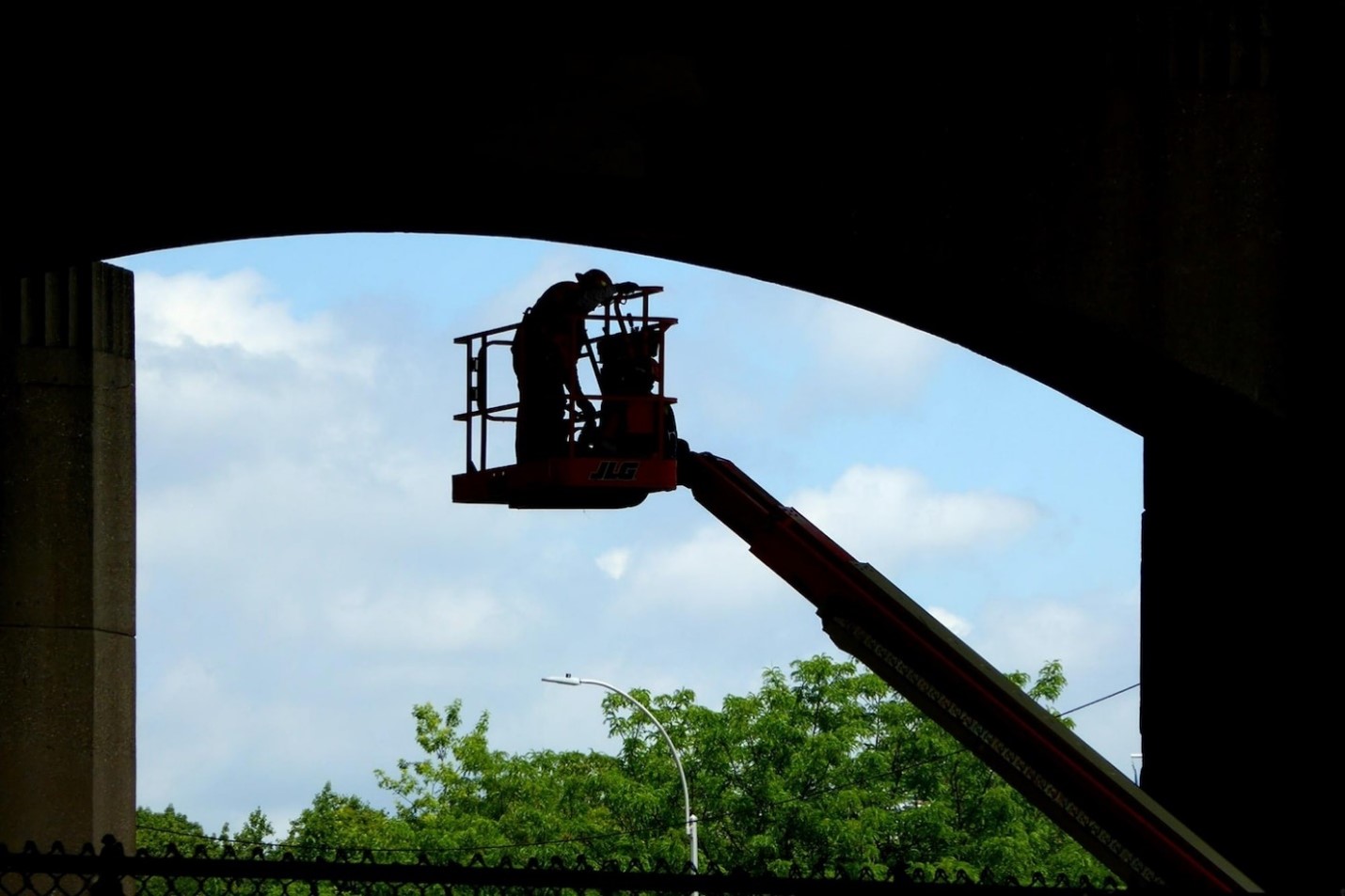
Height is only half the question on most job sites. The other half is reach. A crew may need to work 30 feet up, yet the real challenge is a planter bed, a parked truck, or a roof overhang standing in the way.
This is where many projects slow down. Contractors book a scissor lift out of habit, then discover it cannot get close enough to the work. Knowing when to choose a boom lift rental Miami crews can rely on saves time, protects workers, and keeps schedules intact.
We put this guide together to help you make that call with confidence.
The Core Difference Between the Two Lifts
Both machines lift workers safely to height. They simply move in very different ways.
How a Scissor Lift Works
A scissor lift rises straight up. Its crisscross supports extend vertically, carrying a wide platform directly above the base.
This makes it stable and efficient for overhead tasks. It does not, however, move sideways or reach over anything.
How a Boom Lift Works
A boom lift uses an arm to raise a basket up and outward. The arm can extend, rotate, and sometimes bend.
This allows operators to position the basket above, around, or beyond obstacles. Think of a scissor lift as an elevator and a boom lift as a crane with a passenger seat.
Signs Your Job Needs a Boom Lift
Certain site conditions point clearly toward a boom. If one or more of these apply, a scissor lift will likely fall short.
1. Obstacles Block the Work Area
Landscaping, fences, equipment, or parked vehicles often sit between the machine and the target. A boom lift can stay outside the obstacle and reach over it.
This is common on condo exteriors, storefronts with planters, and buildings framed by palm trees.
2. The Work Sits Far From Solid Ground
Some tasks need horizontal distance more than height. Roof edges, canopies, balconies, and signs mounted over walkways all require outreach.
A boom lift extends the basket where a scissor platform simply cannot go.
3. You Need to Reach Several Points From One Spot
Boom lifts rotate on their base. Operators can cover a wide working area without moving the entire machine.
On jobs like window installation, facade repair, or exterior painting, this reduces repositioning time throughout the shift.
4. The Height Exceeds Typical Scissor Lift Range
Boom lifts are available in models that reach well beyond what most scissor lifts offer. Mid-rise exteriors, tall warehouse ceilings, and high signage frequently call for that extra height.
5. The Ground Is Uneven or Soft
Rough-terrain boom lifts often include four-wheel drive and oscillating axles. These features help them handle construction sites, sandy lots, and graded land more effectively.
Types of Boom Lifts and Where They Fit
Not all booms are the same. Choosing the right style matters as much as choosing a boom at all.
Telescopic Boom Lifts
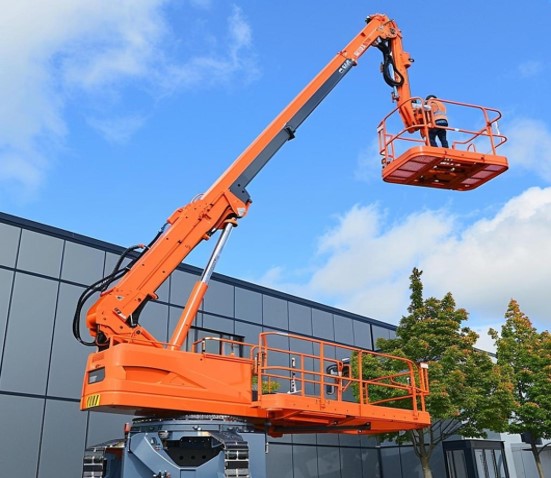
These use a straight arm that extends in one line. They offer strong horizontal reach and suit open sites where the path to the work is clear.
Best for: Steel erection, tall exteriors, and long-reach tasks.
Articulating Boom Lifts
These have jointed sections that bend, allowing the basket to move up and over obstacles.
Best for: Tight spaces, rooftops with equipment, and areas crowded with landscaping or structures.
Towable Boom Lifts
Lighter units can be towed behind a suitable vehicle. They work well for smaller jobs, tree trimming, and light maintenance.
Many contractors start their equipment search with well-known manufacturers. Genie lift rentals, for example, are a common request because the brand offers both boom and scissor models across a range of sizes. Whatever brand you choose, the right specifications for your site matter most.
When a Scissor Lift Remains the Better Choice
A boom lift is not always the upgrade. In many cases, a scissor lift is the smarter option.
Choose a scissor lift when:
- Work sits directly above an accessible, level surface
- Several workers need to share the platform
- Heavy tools or materials must go up with the crew
- The job is indoors with smooth floors
- Budget is a key concern for straightforward vertical work
Scissor platforms are generally larger and carry more weight than boom baskets. For ceiling installations, interior electrical work, and drywall projects, they often deliver better productivity. Contractors typing scissor lift rental near me for these jobs are usually on the right track.
Quick Comparison
| Factor | Scissor Lift | Boom Lift |
| Movement | Vertical only | Vertical and horizontal |
| Platform size | Larger | Smaller basket |
| Reach over obstacles | No | Yes |
| Crew capacity | Higher | Lower |
| Ideal setting | Level, open areas | Complex or obstructed sites |
Safety Requirements Differ Too
Safety rules change with the machine, so crews must prepare accordingly.
On scissor lifts, guardrails serve as the primary fall protection. On boom lifts, OSHA requires workers to wear a body harness with a lanyard attached to the boom or basket.
Before work begins, confirm that:
- Every operator is trained on the specific lift type
- Fall protection equipment is inspected and fitted correctly
- The ground has been checked for holes, slopes, and soft spots
- Overhead power lines are identified and safe clearance is maintained
Local Factors Miami Contractors Should Consider
South Florida adds a few conditions worth planning for.
- Wind exposure: Boom baskets extended high and far are more affected by gusts. Always follow the manufacturer’s wind rating.
- Afternoon storms: Summer weather can change quickly. Lower the basket at the first sign of lightning.
- Tight urban access: Sidewalks, alleys, and busy streets may require coordination with property managers or local authorities before setup.
- Coastal conditions: Salt air can affect exposed components, so a pre-use inspection is especially important near the water.
Questions to Ask Before You Book
A clear plan leads to the right machine. Ask yourself and your provider:
- How high and how far out is the work?
- What stands between the lift and the target area?
- How many workers and how much weight must go up?
- What is the ground surface like?
- Will the lift need to move often during the shift?
Conclusion: Match the Lift to the Reach, Not Just the Height
The best aerial lift is the one that fits the work in front of you. Scissor lifts excel at straight vertical tasks with larger crews and heavier loads. Boom lifts shine when obstacles, distance, or awkward angles stand between your crew and the job.
At LifterCorp, we help contractors choose equipment based on real site conditions, not guesswork about specs. Our team can review your project and recommend the lift that keeps your crew safe and productive. Request your quote through our website and get the right reach for your next job.
Frequently Asked Questions
1. Is a boom lift harder to operate than a scissor lift?
Boom lifts involve more controls because they move in several directions. With proper training and practice, operators handle them safely and efficiently.
2. Do boom lifts require fall protection?
Yes. OSHA requires workers in boom lifts to wear a harness and lanyard attached to the basket or boom.
3. Can boom lifts be used indoors?
Yes, electric or hybrid boom lifts are available for indoor use. Ceiling height, floor strength, and access points should be checked first.
4. Which lift is better for painting a building exterior?
It depends on site access. A scissor lift works for flat, open areas close to the wall. A boom lift is better when landscaping or uneven ground keeps the machine farther away.
Leave a Reply