

Construction rarely waits for the power company. Many sites begin long before permanent electrical service is in place, and some projects run in areas where grid access is limited or unreliable.
Without steady power, tools stop, lights go dark, and crews lose valuable hours. Choosing the right commercial generator rental Miami contractors can trust is one of the most important early decisions on any project.
This guide walks through each step, from calculating your load to planning for safety and weather, so your site stays productive from day one.
Why Power Planning Matters Early
A generator that is too small trips breakers and strains equipment. One that is too large wastes fuel and money. Both mistakes affect your schedule and budget.
Planning early helps you:
- Keep crews working without interruptions
- Protect sensitive tools and electronics
- Control fuel costs over the life of the project
- Avoid last-minute equipment swaps
Step 1: Calculate Your Power Needs
Every good generator decision starts with an accurate load estimate.
List Every Piece of Equipment
Write down everything that will run on site. This often includes:
- Power tools, saws, and drills
- Welders and air compressors
- Site lighting and light towers
- Job trailers with air conditioning
- Pumps, mixers, and hoists
Check each item’s nameplate for its wattage or amperage rating.
Account for Starting Power
Motors need extra power the moment they start. This surge can be several times higher than their normal running load.
Compressors, pumps, and air conditioners are common examples. A generator must handle these spikes, not just the steady running demand.
Plan for Growth
Power needs often rise as a project moves forward. Adding a margin above your calculated load gives room for additional equipment later in the build.
Step 2: Confirm Voltage and Phase
Capacity alone does not guarantee compatibility. The generator must also match the electrical requirements of your equipment.
Single-Phase Power
Single-phase output suits smaller tools, lighting, and job trailers. It is common on light construction and renovation sites.
Three-Phase Power
Three-phase output supports heavier motors and larger machinery, such as tower cranes, large compressors, and commercial HVAC systems.
Tip: Ask your electrician to confirm the voltage and phase your equipment requires before you request a quote.
Step 3: Choose the Right Size and Class
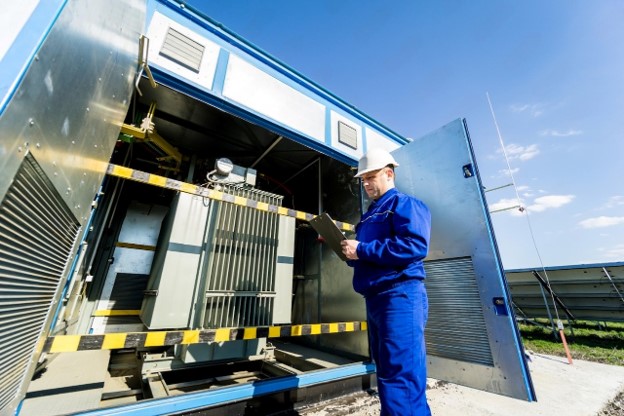
Generators range from small portable units to large trailer-mounted systems. Construction sites usually fall somewhere in the middle or upper range.
Projects with heavy machinery, multiple trades, or full site operations often require an industrial generator rental with higher output and longer runtime. These units are built for continuous, demanding use.
Sizing also affects performance over time. Diesel generators that run at very light loads for long periods can experience wet stacking, a buildup of unburned fuel in the exhaust system. A correctly sized unit runs more efficiently and stays healthier throughout the rental.
Step 4: Select the Best Fuel Type
Fuel choice shapes runtime, cost, and logistics.
| Fuel Type | Strengths | Considerations |
| Diesel | Durable, efficient, widely available | Requires refueling schedule and spill precautions |
| Natural gas | Continuous supply where a line exists | Depends on gas service at the site |
| Propane | Cleaner burning, stores well | Larger tanks may be needed for long runs |
Diesel remains the most common choice for construction because of its reliability under heavy loads. Many newer diesel units also meet EPA Tier 4 Final emission standards, which helps on projects with environmental requirements.
Ask how long the generator runs on a full tank at your expected load. Fuel use rises as demand increases, so runtime estimates should reflect real working conditions.
Step 5: Evaluate Site Conditions
The best generator for your load still needs to fit your site.
Placement and Mobility
Consider where the unit will sit and whether it needs to move. Large sites often shift power to different zones as work progresses.
A towable generator mounted on a trailer can be relocated quickly with a suitable vehicle. This flexibility is especially useful on road work, utility projects, and sites that change layout over time.
Noise Levels
Residential neighborhoods, hospitals, and mixed-use areas may have local noise rules. Sound-attenuated enclosures reduce operating noise and help maintain good relations with neighbors.
Weather Protection
South Florida weather calls for extra planning. Heavy rain, flooding, and high winds can all affect equipment.
- Place the generator on stable, elevated ground where possible
- Keep it clear of low areas that collect water
- Follow the provider’s guidance during storm warnings
- Plan ahead during hurricane season, when demand for rental power often increases
Step 6: Prioritize Safety and Compliance
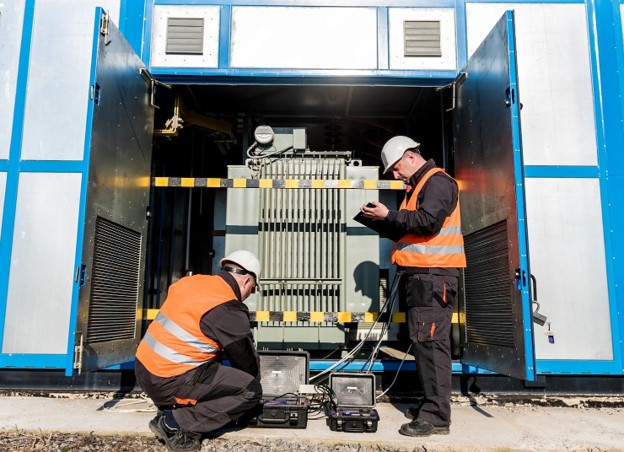
Temporary power must be handled correctly. Safety errors with generators can be severe.
Follow these essential practices:
- Never run a generator indoors or in enclosed spaces. Exhaust contains carbon monoxide, which is invisible and deadly.
- Use ground-fault protection. OSHA requires GFCI protection or an assured equipment grounding program for temporary power on construction sites.
- Ground the unit properly. Follow manufacturer instructions and applicable electrical codes.
- Hire a licensed electrician for connections. Tie-ins to panels or buildings must be done by qualified professionals.
- Store fuel safely. Keep fuel away from ignition sources and use containment where required.
Step 7: Plan for Accessories
A generator alone rarely completes a power setup. Most sites also need supporting equipment.
Common accessories include:
- Power distribution boxes for multiple connections
- Heavy-duty cables sized for the load and distance
- Auxiliary fuel tanks for extended runtime
- Transfer switches for standby applications
- Cable ramps to protect lines in walkways and traffic areas
Including these in your initial request gives you a complete and accurate quote.
Questions to Ask Your Rental Provider
A reliable provider helps you plan, not just deliver equipment. Ask:
- Which generator size fits my calculated load?
- Does the unit support the voltage and phase I need?
- What is the expected runtime at my load level?
- Are refueling and maintenance services available?
- How quickly can support arrive if the unit fails?
Clear answers reflect real experience with construction power.
Conclusion: Steady Power Builds Stronger Projects
The right generator keeps every trade on schedule. Accurate load planning, correct voltage, smart fuel choices, and careful site preparation all work together to deliver dependable power from the first day to the final inspection.
At LifterCorp, we help contractors find power solutions that match the real demands of their sites. Our team can review your equipment list and recommend a setup that balances performance, efficiency, and safety. Request your quote through our website and power your next project with confidence.
Frequently Asked Questions
1. How do I know what size generator my construction site needs?
List every tool and machine, note their power ratings, and include starting surges for motors. A rental specialist or electrician can then confirm the right capacity.
2. Can a construction generator run continuously?
Yes, many units are designed for extended operation. Regular refueling, oil checks, and scheduled maintenance keep them running safely.
3. Is diesel better than propane for construction sites?
Diesel is often preferred for heavy loads and long runtimes. Propane may suit projects that need cleaner operation or easier fuel storage.
4. Do I need an electrician to connect a rental generator?
Yes, for any connection to panels, buildings, or distribution systems. A licensed electrician ensures the setup meets safety codes.
Leave a Reply