

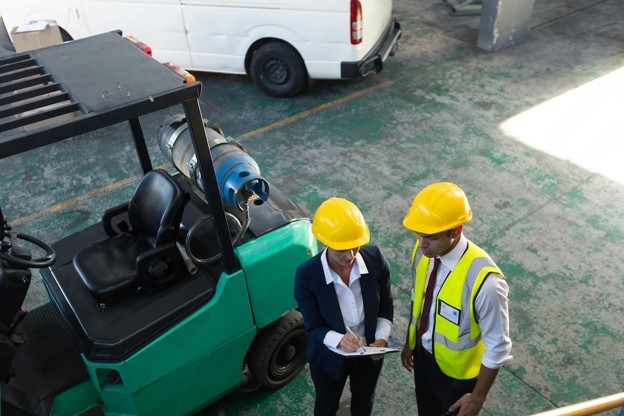
A rental agreement is more than a transaction. It is a partnership that affects your schedule, your crew’s safety, and your bottom line. When a machine arrives late or fails mid-shift, the cost reaches far beyond the rental fee.
Many contractors learn this the hard way. Two providers may quote similar prices, yet one delivers on time with well-kept machines while the other leaves your crew waiting. Comparing heavy equipment rental companies Miami contractors work with requires looking past the price tag.
We created this guide to help you evaluate providers with clear, practical criteria.
Why Your Rental Partner Matters
Equipment drives productivity on any job site. Excavators, loaders, lifts, and generators all support work that keeps projects on track.
A dependable provider helps you:
- Meet deadlines without equipment delays
- Reduce safety risks from poorly maintained machines
- Control costs with clear, predictable billing
- Adapt when project needs change
An unreliable one does the opposite, often at the worst possible time.
Start With Fleet Quality
The condition of the equipment says a great deal about the company behind it.
Look at Machine Age and Condition
Newer machines often include improved safety features, better fuel efficiency, and updated emission technology. Older equipment can still perform well, but only when it is properly maintained.
Ask to see the equipment before delivery when possible. Look for:
- Clean, legible safety decals and warning labels
- Tires or tracks in good condition
- No visible fluid leaks
- Working lights, alarms, and gauges
Ask About Maintenance Practices
A strong provider follows a structured maintenance schedule. Machines should be inspected and serviced between rentals, not only when something breaks.
Tip: Ask whether the company keeps service records for each machine. Detailed records reflect accountability.
Check Fleet Range and Availability
A provider with a broad selection can support your project from start to finish.
Consider whether the company offers:
- Earthmoving equipment such as excavators and loaders
- Aerial lifts including scissor and boom models
- Material handling equipment like forklifts and telehandlers
- Power solutions such as generators and light towers
- Attachments that match each machine
Working with one source for multiple machines simplifies scheduling, billing, and communication. Strong availability also matters during busy periods. Ask how the company handles high-demand seasons and whether it can reserve equipment in advance.
Evaluate Delivery and Logistics

Equipment that arrives late stalls the entire crew. Logistics deserve as much attention as the machines themselves.
Delivery Reliability
Ask how delivery windows are scheduled and confirmed. A dependable provider communicates clearly when timing changes.
Site Knowledge
Local experience helps. Teams familiar with dense urban streets, tight residential lots, and coastal sites can plan unloading safely and efficiently.
Pickup Flexibility
Projects often finish early or run late. A flexible pickup process prevents unnecessary rental days and avoids idle equipment on site.
Measure Support and Response Time
Breakdowns happen, even with excellent maintenance. What matters most is how quickly the provider responds.
Before signing, ask:
- What happens if a machine fails on site?
- How soon can a technician arrive?
- Is a replacement unit available if repairs take time?
- Are support lines staffed after regular business hours?
When reviewing options for heavy equipment rental Miami projects, response time often separates average providers from excellent ones. A quick fix or swap can save a full day of lost labor.
Review Pricing and Contract Terms
Clear pricing builds trust. Hidden charges damage it.
Request an Itemized Quote
A transparent quote should list:
- The base rental rate and rental period
- Delivery and pickup charges
- Attachment fees
- Fuel or charging terms
- Damage waiver or insurance costs
Read the Fine Print
Rental agreements often include terms that affect your final invoice. Pay close attention to:
- Operating hour limits and overtime charges
- Cleaning requirements at return
- Late return policies
- Responsibility for damage and repairs
If any term seems unclear, ask for an explanation in writing.
Verify Credentials and Reputation
A professional company stands behind its work and its name.
Business Registration and Insurance
Confirm the company is properly registered and carries appropriate insurance. Florida business registrations can be checked through Sunbiz, the state’s official business records site.
Customer Reviews
Online reviews offer insight into real experiences. Look for patterns rather than single comments. Consistent praise for reliability, communication, and equipment quality is a strong signal.
References
Experienced providers can often share references from contractors who have rented similar equipment. A short conversation with a past client can be very revealing.
Look for Safety Commitment
Safety culture shows in how a company operates.
A provider focused on safety typically offers:
- Equipment orientations at delivery
- Operator manuals with every machine
- Guidance on choosing the right equipment for the task
- Clear instructions on inspections and safe use
These steps protect your crew and reduce the risk of accidents and costly downtime.
Quick Evaluation Checklist
| What to Check | What Good Looks Like |
| Equipment condition | Clean, inspected, well maintained |
| Fleet range | Multiple machine types and attachments |
| Delivery | Confirmed windows, clear updates |
| Support | Fast response and replacement options |
| Pricing | Itemized, written, transparent |
| Reputation | Consistent positive reviews and references |
Using a checklist like this makes it easier to compare providers side by side for any construction equipment rental Miami project.
Value Expert Guidance
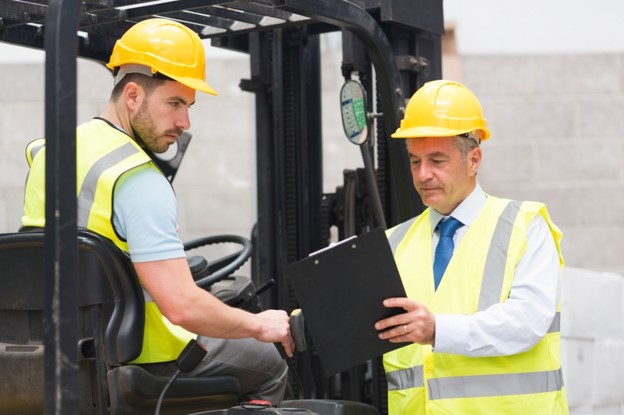
The best rental partners do more than take orders. They ask about your site, your loads, and your timeline, then recommend equipment that fits.
This guidance helps prevent renting machines that are too large, too small, or poorly suited to the ground. Knowledgeable staff can also suggest attachments or alternative machines that improve efficiency.
Red Flags to Watch For
Some warning signs suggest a provider may not meet your standards:
- Vague or verbal-only pricing
- Reluctance to share maintenance information
- Poor communication before the rental begins
- Machines that arrive dirty, damaged, or incomplete
- No clear process for breakdowns or emergencies
Noticing these early can save significant time and expense.
Conclusion: Build Your Project on a Partnership You Can Trust
Choosing a rental provider is a decision that shapes the entire project. Fleet quality, logistics, support, pricing, reputation, and safety all play a role. When each one meets a high standard, crews stay productive and budgets stay under control.
At LifterCorp, we focus on dependable equipment, clear communication, and responsive support. Our team helps you select the right machines for your site and stays available throughout your rental. Request your quote through our website and work with a partner committed to keeping your project moving.
Frequently Asked Questions
1. How can I tell if rental equipment is well maintained?
Inspect the machine for leaks, worn tires or tracks, and damaged parts. Ask the provider about service schedules and maintenance records.
2. Should I buy a damage waiver for rented equipment?
It depends on your existing insurance coverage. Review your business policy first, then decide whether a waiver adds needed protection.
3. Can I rent multiple machines from one provider?
Many full-service providers offer a wide range of equipment. Renting from one source often simplifies scheduling and billing.
4. What should I do if a rented machine breaks down?
Stop using the machine and contact the provider immediately. A reliable company will arrange repairs or a replacement as quickly as possible.
Leave a Reply