

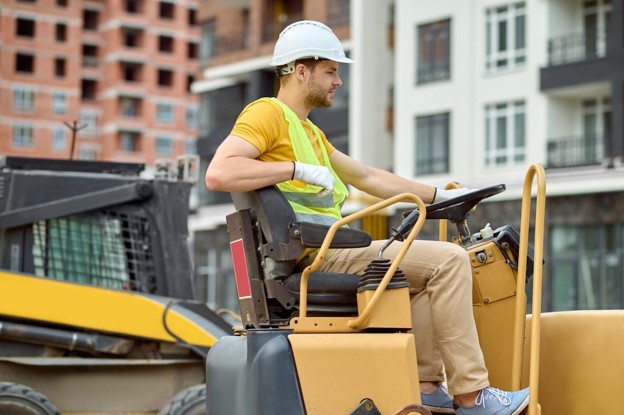
Equipment lists on South Florida projects are changing. Contractors still book the essentials, such as loaders, lifts, and forklifts. Alongside them, two supporting machines now appear more often: mobile lighting and mechanical flooring removal equipment.
Both answer a practical need. One extends the working day. The other speeds up demolition inside buildings. When planning heavy equipment rental Miami orders, these additions can make a noticeable difference in productivity, safety, and labor costs.
We explain why below, along with what to look for in each machine.
Why These Machines Belong on the Same Order
At first glance, lighting and flooring removal seem unrelated. One works outdoors at night. The other works indoors during renovation.
The common thread is schedule control. Each machine removes a bottleneck that slows crews down. Light towers make more hours usable. Scrapers turn days of manual floor removal into far shorter tasks.
The Case for Mobile Site Lighting
Working Around the Heat
Miami’s daytime heat places real strain on workers. Many crews now shift demanding tasks to early mornings or evenings, when temperatures are lower.
Reliable lighting makes those hours safe and productive. Without it, the workday ends when the sun goes down.
Road and Infrastructure Projects
Busy streets and highways often require night work to limit traffic disruption. Paving, striping, and utility repairs frequently happen after dark.
Bright, evenly spread lighting helps crews see clearly and helps drivers recognize work zones.
Storm Response and Recovery
After severe weather, power outages can leave sites in darkness. Mobile lighting supports cleanup crews, utility teams, and emergency operations until power returns.
Meeting Safety Requirements
OSHA sets minimum illumination levels for construction areas, walkways, and work zones. Poor visibility increases the risk of trips, falls, and equipment accidents.
Proper lighting protects workers and supports compliance at the same time.
What to Look for in a Light Tower
Choosing the right unit depends on site size, runtime needs, and local conditions. A Towable Light Tower offers the mobility most job sites need, since it can be repositioned as work zones change.
Key factors to compare:
LED or Metal Halide Lamps
- LED: Turns on instantly, uses less fuel, and lasts longer
- Metal halide: Bright output, though it needs warm-up time and draws more power
For most modern projects, LED lighting delivers better efficiency and lower operating costs.
Runtime and Fuel
Diesel-powered towers are common for long overnight shifts. Ask how long the unit runs on a full tank. Solar-powered models are also available and suit sites where quiet, low-emission lighting is preferred.
Mast Height and Coverage
Taller masts spread light over a wider area. Rotating light heads allow crews to aim lighting precisely where work happens.
Wind Rating
Every tower has a manufacturer wind rating. In South Florida, strong gusts and passing storms are common, so crews should lower the mast when winds exceed that limit.
The Case for Mechanical Flooring Removal
A Renovation-Heavy Market
South Florida has a large number of condos, offices, retail spaces, and older homes. Many of these properties go through regular upgrades.
Tile floors are especially common in the region. Removing them by hand is slow, exhausting, and hard on workers’ backs and joints.
Labor Savings
Manual removal with hammers and hand scrapers can take days on large floors. A powered machine completes the same work in significantly less time.
This frees crews for higher-value tasks and helps projects move to the next phase sooner.
Water Damage Restoration
Flooding and leaks often require fast flooring removal to prevent mold and further damage. Mechanical equipment allows restoration teams to strip affected floors quickly.
Choosing the Right Scraper for the Job
Selecting the right Floor Scraper depends on surface type, project size, and site access.
Ride-On Models
Ride-on machines are heavy and powerful. Their weight helps blades cut through stubborn materials like ceramic tile and thick adhesives.
Best for: Large commercial spaces, warehouses, and open floor plans.
Walk-Behind Models
Walk-behind units are lighter and easier to move between rooms. They fit through standard doorways and suit smaller areas.
Best for: Residential projects, offices, and tight interior spaces.
Matching Blades to Materials
| Flooring Type | Recommended Approach |
| Ceramic or porcelain tile | Heavy ride-on unit with impact-rated blades |
| Vinyl or VCT | Standard blades, walk-behind or ride-on |
| Carpet and glued pads | Sharp, wide blades |
| Wood flooring | Heavy-duty blades with steady down pressure |
| Thick adhesive or thinset | Aggressive blades and added machine weight |
Battery-powered models are well suited to indoor work, since they produce no exhaust and operate quietly in occupied buildings.
Safety Steps Before Removing Flooring
Floor removal can expose hidden hazards. Careful preparation protects both workers and occupants.
- Test for asbestos. Older flooring and adhesives may contain asbestos. Testing before removal is essential in older buildings.
- Control silica dust. Removing tile and thinset can release crystalline silica. OSHA’s silica standard requires exposure controls such as water suppression or dust collection.
- Wear proper protective gear. Eye protection, gloves, hearing protection, and respirators may all be necessary.
- Inspect the subfloor. Concrete cracks or weak sections should be identified before heavy machines operate.
Planning Tips for Your Equipment Order
Adding these machines works best with a little preparation:
- Map lighting zones before the tower arrives
- Confirm fuel or charging plans for overnight shifts
- Measure doorways and elevators for flooring equipment access
- Identify flooring types in advance so the right blades come with the machine
- Schedule removal and lighting needs alongside other rentals for smoother delivery
Conclusion: Small Additions, Big Gains on the Job Site
Light towers and flooring removal machines may not be the largest equipment on site, yet they solve problems that cost real time and money. Better lighting expands working hours safely. Mechanical removal protects crews and speeds up renovation. Together, they help projects stay on schedule from start to finish.
At LifterCorp, we help contractors build equipment orders that match the true demands of each project. Our team can recommend the right lighting and flooring removal solutions alongside your other machines. Request your quote through our website and give your crew the tools to work smarter around the clock.
Frequently Asked Questions
1. How long can a diesel light tower run?
Runtime depends on the model, fuel tank size, and lamp type. LED units generally use less fuel, which allows longer operation between refills.
2. Are solar light towers bright enough for construction work?
Many solar models provide strong LED output suitable for general site lighting. Coverage and runtime vary, so confirm specifications for your project.
3. Can a scraper remove ceramic tile?
Yes. Heavier ride-on machines with impact-rated blades are designed for ceramic and porcelain tile removal.
4. Do I need special training to operate flooring removal equipment?
Operators should be familiar with the machine’s controls, blade changes, and safety features. A walkthrough at delivery is always recommended.
Leave a Reply