

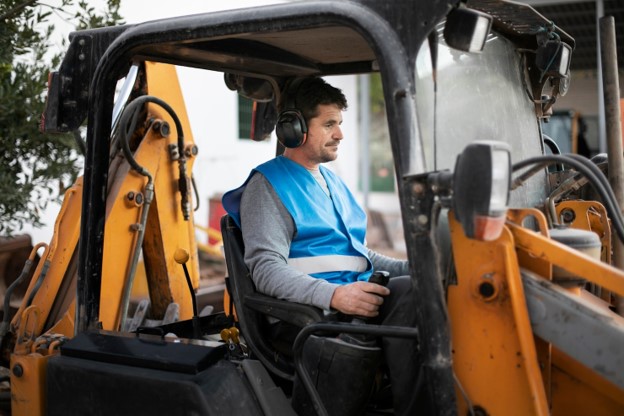
Compact loaders do a remarkable amount of work for their size. In a single day, one machine can grade a lot, move pallets of pavers, dig post holes, and clear storm debris. That versatility is exactly why so many contractors and property owners rent them.
The choice between wheels and tracks, though, shapes how well that machine performs on your ground. A smart decision starts long before the loader arrives. This guide covers what we believe every renter should understand before booking construction equipment rental Miami projects depend on.
Why Compact Loaders Are So Popular
These machines combine power, agility, and adaptability in a small footprint. They fit through gates, work between buildings, and turn within their own length.
Their real strength comes from attachments. One loader can switch from digging to lifting to sweeping in minutes. For many projects, that means fewer machines on site and lower overall equipment needs.
Skid Steer vs Track Loader: The Core Difference
Both machines share a similar body, lift arms, and attachment system. The difference lies underneath.
Wheeled Skid Steers
A skid steer rides on four tires. It turns by slowing or reversing the wheels on one side, which causes the machine to skid around.
Key strengths:
- Faster travel on hard surfaces
- Strong performance on concrete, asphalt, and compacted ground
- Lower wear costs on paved areas
- Quick repositioning across large, firm sites
Compact Track Loaders
A track loader uses rubber tracks instead of tires. The weight spreads across a larger surface, reducing ground pressure.
Key strengths:
- Better flotation on mud, sand, and soft soil
- Improved traction and stability on slopes
- Less rutting on lawns and finished landscapes
- Ability to keep working after rain
For contractors handling paving prep, warehouse yards, or demolition on slab, a Bobcat Skid Loader is often the efficient choice. Its speed and tire design suit firm ground where tracks offer little added benefit.
Understand Rated Operating Capacity
Every loader has a rated operating capacity, often called ROC. This figure tells you how much weight the machine can safely carry.
Industry standards calculate ROC differently for each type. For wheeled skid steers, it is set at 50 percent of tipping load. For track loaders, it is set at 35 percent.
Why this matters:
- Overloading increases the risk of tipping
- Heavy materials like wet soil, stone, and concrete add up quickly
- Attachments themselves add weight to the front of the machine
Estimate the heaviest loads you plan to carry, then choose a machine with capacity to spare.
Vertical Lift or Radial Lift?
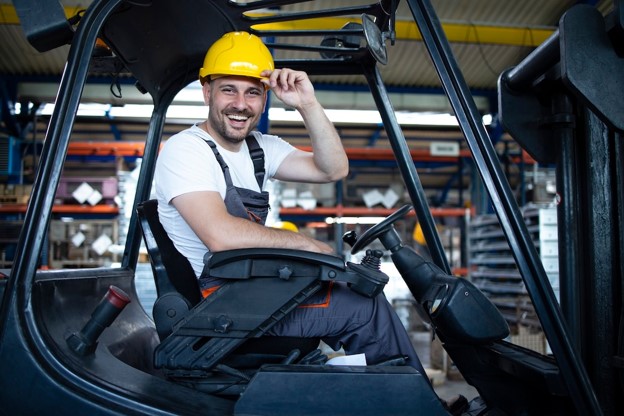
Lift arm design affects how the loader handles materials at height.
Vertical Lift Path
The bucket rises nearly straight up. This keeps the load closer to the machine at full height, making it ideal for loading dump trucks and placing pallets onto raised surfaces.
Radial Lift Path
The arms follow an arc. This design performs well at mid-height and ground level, which suits digging, grading, and pushing material.
Tip: Match the lift path to your primary task. Truck loading favors vertical lift. Earthwork favors radial lift.
Choose the Right Attachments
Attachments turn a loader into a multi-purpose tool. Common options include:
- Buckets for digging, grading, and material handling
- Pallet forks for moving pavers, block, and supplies
- Augers for fence posts, footings, and tree planting
- Grapples for brush, logs, and debris
- Trenchers for irrigation and utility lines
- Hydraulic breakers for concrete removal
- Sweepers for site cleanup
Check hydraulic compatibility before booking. Some attachments, such as certain mulchers and cold planers, require high-flow hydraulics. A standard-flow machine will not power them effectively.
Match the Machine to Miami Ground Conditions
South Florida terrain presents its own challenges. Soil types and weather can change how a loader performs from one site to the next.
Sandy and Soft Soil
Coastal and inland areas often have loose, sandy ground. Tires can dig in and lose traction where tracks remain steady.
High Water Table and Frequent Rain
Heavy rain can soften job sites quickly. Areas that drain slowly may stay muddy for days. A machine that floats over soft ground keeps work moving through wet periods.
Finished Landscapes
Residential and commercial properties often feature lawns, irrigation, and planted beds. Lower ground pressure helps reduce surface damage.
For these conditions, a Bobcat Track Loader usually delivers better results. Its tracks maintain grip and stability where tires would rut or slip. One caution: avoid frequent sharp turns on abrasive surfaces like asphalt, since this accelerates track wear.
Plan for Transport and Site Access
Loaders are compact, but they still require proper transport.
Before delivery, confirm:
- Gate and path widths at the site
- Overhead clearance from trees, wires, or structures
- A stable unloading area for the trailer
- Ground strength over septic tanks, pools, or irrigation lines
If you plan to haul the machine yourself, verify that your truck and trailer are rated for its full weight, including attachments.
Know the Safety Essentials
Compact loaders are powerful, and safe operation protects both people and property.
Core safety practices:
- Always wear the seat belt and lower the seat bar
- Keep loads low while traveling
- Travel straight up and down slopes, not across them
- Keep the heavier end of the machine pointed uphill
- Never exceed the rated operating capacity
- Keep bystanders clear of the work zone
Call Before You Dig
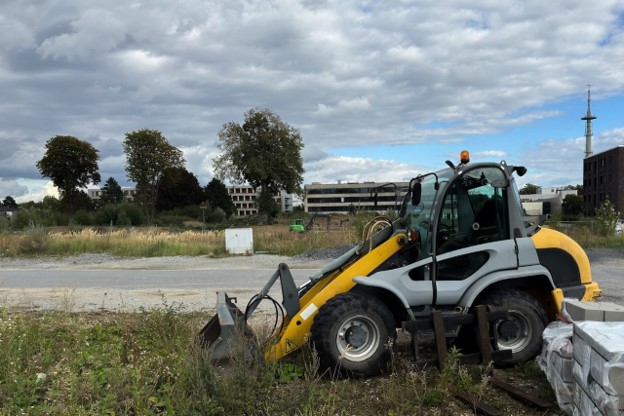
Florida law requires contacting Sunshine 811 before excavation. Underground utilities are marked so crews can dig without striking gas, power, or water lines. Submit your request early, as advance notice is required before work begins.
Questions to Ask Before Booking
The right provider helps you choose, not just deliver. Ask:
- Which machine fits my ground conditions and loads?
- What attachments are included or available?
- Does the machine support high-flow hydraulics if needed?
- Is delivery and pickup part of the rental?
- What support is available if the loader has a problem on site?
Conclusion: Choose the Loader That Fits the Ground
The best compact loader is the one matched to your site, your materials, and your schedule. Wheels excel on firm, paved surfaces. Tracks lead on soft, wet, and sensitive ground. Capacity, lift path, attachments, and safety planning complete the picture.
At LifterCorp, we help contractors and property owners select equipment that suits real working conditions. Our team can review your project and recommend the right loader and attachments for the job. Request your quote through our website and start your next project on solid footing.
Frequently Asked Questions
1. Is a track loader better than a skid steer?
Neither is better in every situation. Track loaders perform best on soft or uneven ground, while skid steers are faster and more economical on hard surfaces.
2. Do I need a license to operate a compact loader?
A special driver’s license is generally not required to operate the machine on a job site. Operators should still be trained and familiar with the controls and safety features.
3. Can a compact loader work in the rain?
Light rain is usually manageable. Heavy rain and saturated ground affect traction and stability, so operators should assess conditions before continuing.
4. Which attachment is most useful for landscaping?
A bucket handles most grading and material moving. Augers, grapples, and pallet forks add flexibility for planting, debris removal, and hardscape work.
Leave a Reply