

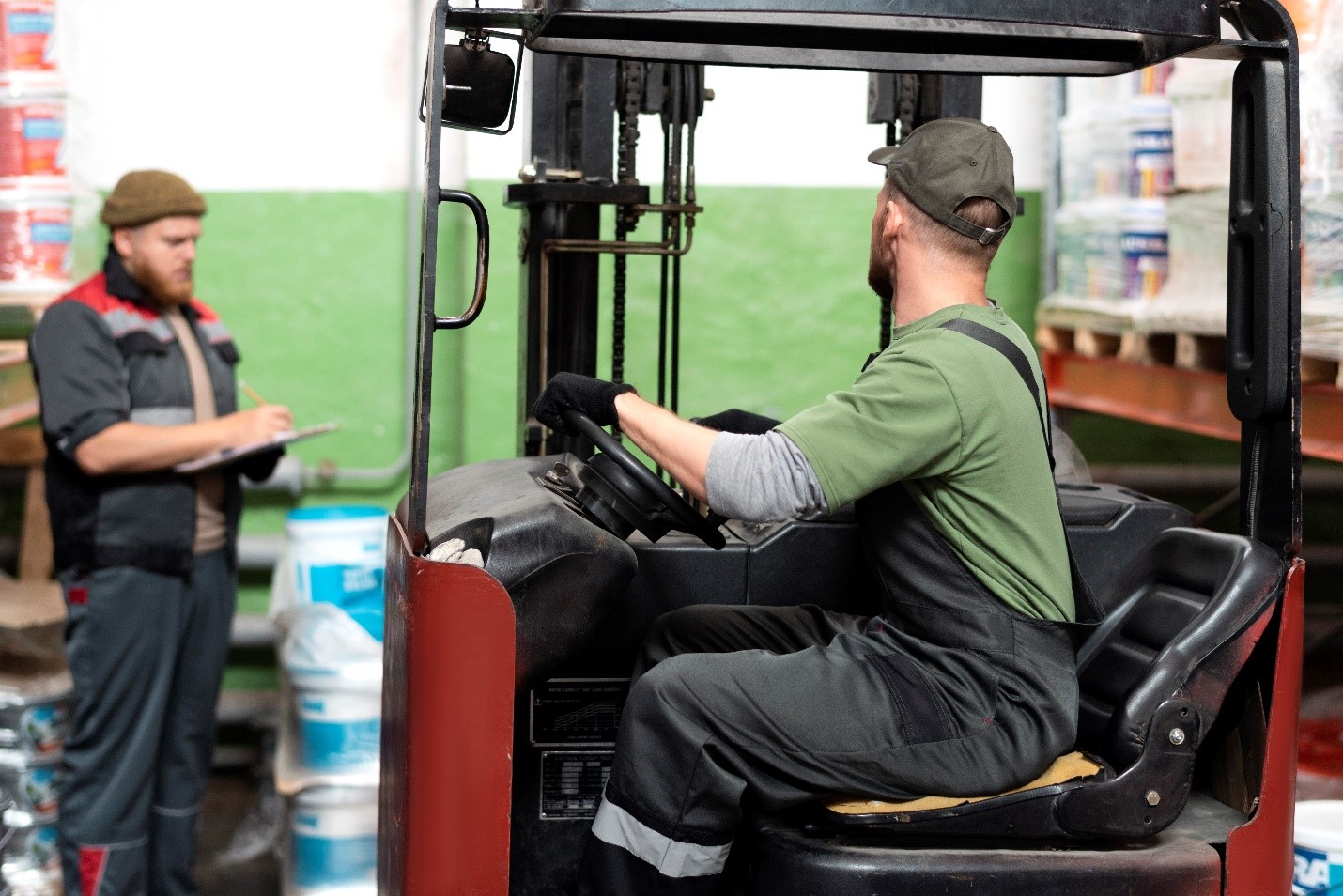
Miami warehouses face conditions that many other cities never deal with. Heat stays high for much of the year. Humidity lingers. Salt air drifts inland from the coast. On top of that, space near the port and city center comes at a premium, so aisles tend to be tight.
All of this matters when choosing a forklift for warehouse operations here. A machine that performs well in a dry, cool facility may struggle in South Florida. We wrote this guide to help you match the right equipment to your space, your loads, and the local climate.
How Miami Conditions Affect Forklift Performance
Before comparing models, it helps to understand what the environment demands from your equipment.
Heat and Humidity
High temperatures put extra stress on batteries, engines, and hydraulic systems. Batteries in particular tend to wear faster when they run hot day after day.
Humidity adds another layer. Moisture can reach electrical connections and cause problems over time. Regular inspection of wiring, connectors, and battery terminals helps prevent unexpected downtime.
Salt Air and Corrosion
Facilities close to the coast often deal with salty air. Salt speeds up rust on metal parts, chains, and exposed components.
Routine cleaning and protective coatings can extend equipment life. When choosing a machine, ask about corrosion-resistant parts if your warehouse sits near the water.
Limited Space
Urban warehouses often maximize storage by narrowing aisles and building taller racks. A large forklift that cannot turn easily slows every shift.
Compact, highly maneuverable models are often the better fit for these layouts.
Storm Season Planning
Hurricane season brings sudden surges in activity. Businesses may need to move inventory quickly, secure stock, or handle extra shipments. Equipment that is reliable and easy to recharge or refuel supports faster response when timing matters most.
The Main Forklift Types for Warehouse Work
Each forklift type solves a different problem. Choosing well starts with understanding how they differ.
1. Electric Counterbalance Forklifts
These are the most familiar warehouse machines. They lift loads from the front and use a weight at the rear for balance.
Why they work well indoors:
- Zero emissions at the point of use, which supports cleaner indoor air
- Quieter operation than engine-powered models
- Fewer moving parts compared to combustion engines, which often means simpler maintenance
Three-wheel electric models offer an especially tight turning radius, making them useful in smaller facilities.
2. Reach Trucks
Reach trucks are designed for narrow aisles and high racking. Their forks extend forward to place or retrieve pallets deep in a rack.
They suit facilities that store goods vertically to make the most of limited floor space. Operators typically stand while driving, which allows quick on and off movement.
3. Order Pickers
Order pickers lift the operator along with the platform. This allows workers to pick individual items from upper shelves instead of full pallets.
They are a strong choice for distribution centers, e-commerce fulfillment, and parts storage.
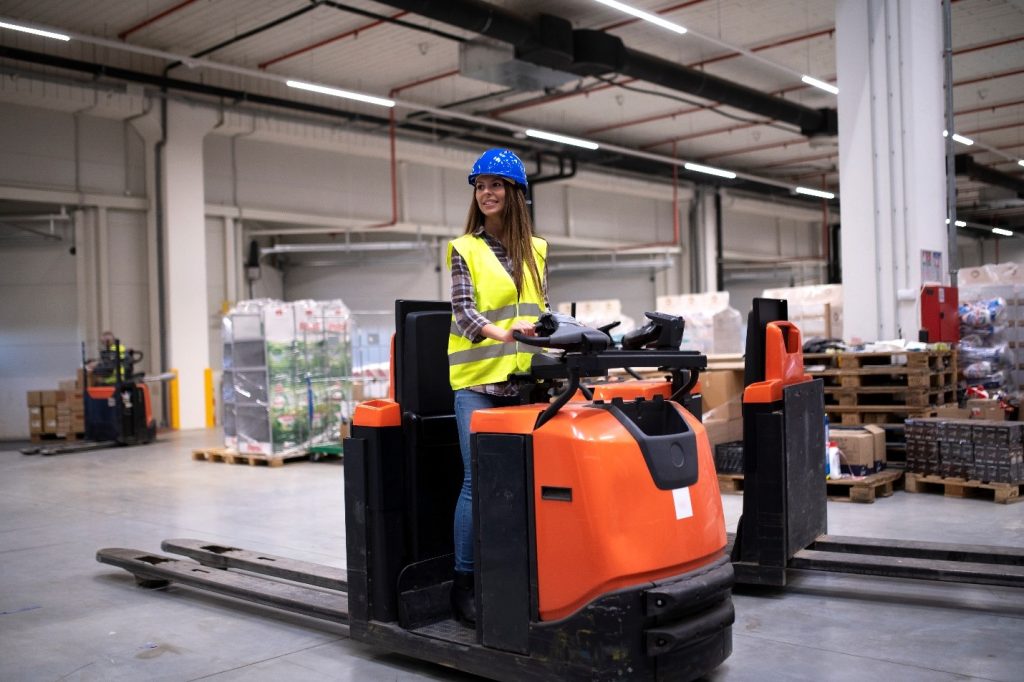
4. Electric Pallet Jacks
For moving pallets across short distances at ground level, an electric pallet jack is often enough. These machines are compact, easy to operate, and well suited to loading docks and retail backrooms.
5. Propane Forklifts
Propane models are versatile for facilities that operate both indoors and outdoors. Tanks can be swapped quickly, which keeps the machine running without long charging breaks.
Indoor use requires proper ventilation, since combustion engines produce exhaust. Diesel models, by comparison, are generally better kept for outdoor yards.
Quick Comparison Table
| Forklift Type | Best Use | Space Needs |
| Electric counterbalance | General indoor lifting | Moderate |
| Reach truck | High racking, narrow aisles | Low |
| Order picker | Picking individual items at height | Low |
| Electric pallet jack | Ground-level pallet movement | Very low |
| Propane forklift | Mixed indoor and outdoor work | Moderate to high |
Many businesses test a model before committing. A warehouse forklift rental Miami facility can arrange it as a practical way to see how a machine performs in real aisles and under real loads before making a long-term decision.
Choosing the Right Battery for Electric Models
Battery type affects daily productivity as much as the forklift itself.
Lead-Acid Batteries
- Lower upfront cost
- Require regular watering and maintenance
- Need a designated, ventilated charging area
- Longer charging and cooling time between shifts
Lithium-Ion Batteries
- Higher upfront investment
- No watering required
- Support opportunity charging during breaks
- Faster charging, which helps multi-shift operations
For warehouses running long or back-to-back shifts, lithium-ion often reduces downtime. Single-shift operations with tighter budgets may find lead-acid more practical.
Cushion vs Pneumatic Tires
Tires shape where a forklift can safely operate.
Cushion tires are solid rubber and sit low to the ground. They suit smooth concrete floors and allow tighter turns indoors.
Pneumatic tires resemble truck tires and handle rough or uneven surfaces. They make sense when work extends into outdoor yards, gravel lots, or loading areas with damaged pavement.
Questions to Ask Before You Decide
The right choice becomes clear when you answer a few practical questions:
- What is the heaviest load you move regularly?
- How high is your tallest rack?
- How wide are your narrowest aisles?
- Does work stay indoors or move outside as well?
- How many shifts run each day?
- Is your facility near the coast?
Sharing these answers with an equipment specialist helps narrow options quickly and accurately.
Should You Rent or Buy?
Both paths have clear benefits.
Renting suits seasonal peaks, short projects, or businesses still testing their needs. It also shifts maintenance responsibility to the provider.
Buying makes sense when daily use is steady and long-term. If your operation already relies on battery-powered equipment every shift, exploring an electric forklift for sale may deliver better value over time. Ownership also gives you full control over scheduling and customization.
Conclusion: The Right Fit Keeps Your Warehouse Moving
No single forklift suits every Miami warehouse. The best choice depends on your space, your loads, your shifts, and how the local climate affects your equipment. Electric models often lead indoors, reach trucks and order pickers excel in tight, tall layouts, and propane units bridge indoor and outdoor work.
At LifterCorp, we help businesses find equipment that fits their real working conditions. Whether you plan to rent, buy, or compare both options, our team is ready to guide you. Request a consultation through our website and equip your warehouse for steady, efficient performance.
Frequently Asked Questions
1. Are electric forklifts suitable for humid climates?
Yes, they perform well in humid conditions with proper care. Regular checks of wiring, connectors, and battery terminals help prevent moisture-related issues.
2. Which forklift is best for narrow warehouse aisles?
Reach trucks and three-wheel electric forklifts are common choices for tight spaces. Both are designed for precise movement where floor area is limited.
3. Can propane forklifts be used indoors?
Yes, as long as the facility has proper ventilation. Combustion engines produce exhaust, so air quality must be managed carefully.
4. How long does a forklift battery last?
Battery life depends on battery type, usage, charging habits, and operating temperature. Following the manufacturer’s maintenance guidelines is the best way to extend it.
Leave a Reply